 ENVIRONMENT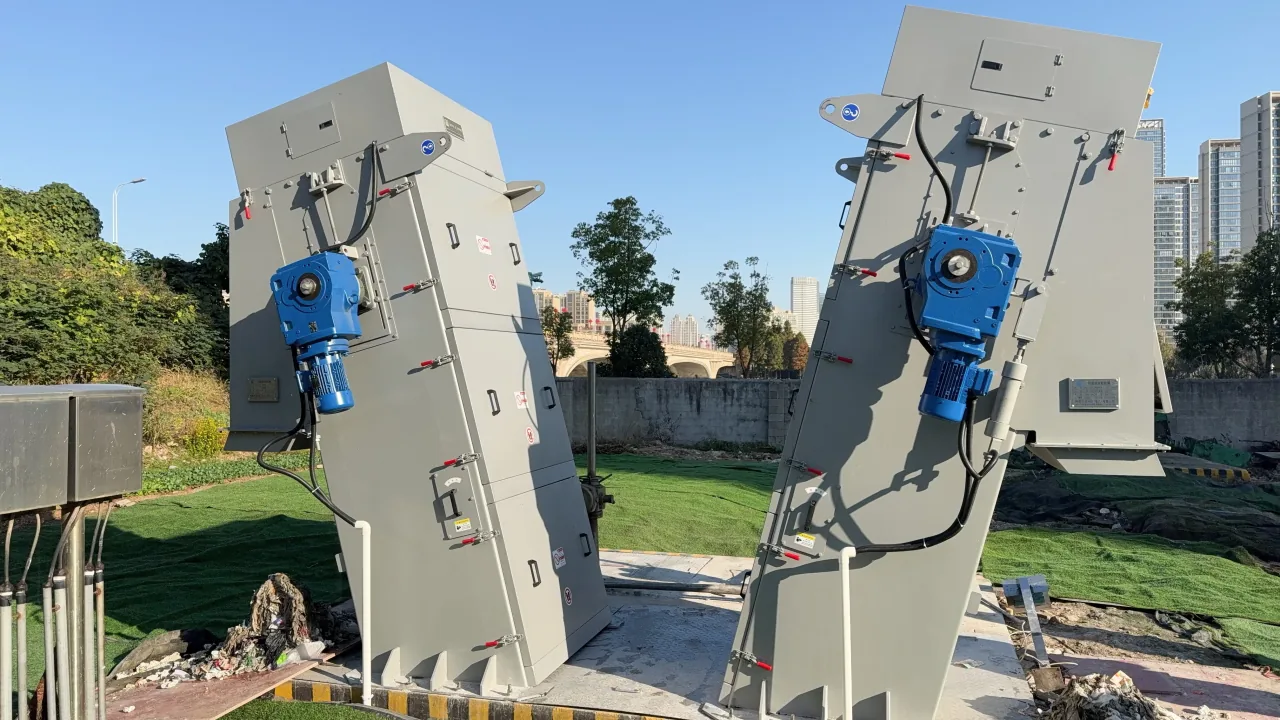
Every engineer knows that small details make the biggest difference. Field experience across wastewater plants highlights recurring challenges:
- Plate sealing failure after short-term use, causing efficiency loss.
- Residual PAM from sludge dewatering returning to the head of the plant and clogging screens.
- Spray leakage, rusting covers and poor sealing leading to secondary contamination.
The Centrefilte® Series addresses these issues through fine and super-mesh screen designs intended to improve reliability and simplify maintenance.
What makes it different
- UHMW-PE perforated plates (9 mm thick): Conical openings to prevent clogging, with 17–35% open area.
- Stainless-steel super mesh plates (304L / 316L): Up to 93% open area; the original article describes a threefold increase in hydraulic capacity.
- Triple sealing system: Between plates, on both sides and at bearings, designed to control leakage under high head pressure.
- Honeycomb mesh design: Increases strength and flow stability under large water level differences.
Each feature may seem small, but together they influence how screening performs under real-world, complex inflows. These features and figures refer to the series described in the original article.
Equipment supply from G-LINK
We assess suitable manufacturers, work through your technical requirements, follow production and quality, and coordinate documents and shipment. You have one G-LINK contact keeping the work moving across the factories involved.