 ENVIRONMENT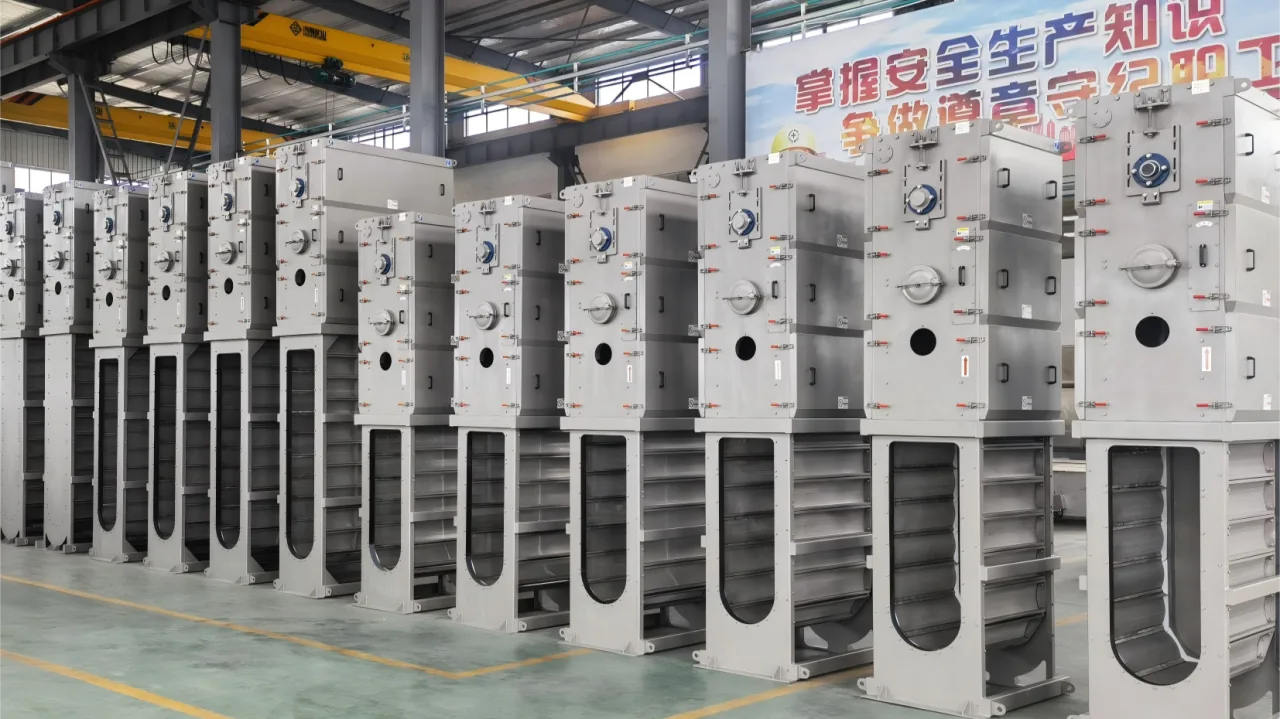
In a wastewater treatment system, pretreatment is often not the most visible step, yet it plays a decisive role in ensuring the stability and efficiency of the entire process. Here are common pretreatment equipment types and their typical functions.
The figures below are indicative ranges from the original overview, not guaranteed results for every wastewater or equipment model.
1. Screens
Function: Capture large debris such as wood, plastics and fibers, preventing clogging of pumps and pipelines.
Typical figures: Bar spacing 15–50 mm for coarse screens, 3–10 mm for fine screens. Removal efficiency above 90% for particles larger than the bar spacing.
Typical placement: At the headworks, as the first barrier.
2. Grit Chambers / Grit Classifiers
Function: Remove sand, grit and glass particles to reduce abrasion on pumps and valves.
Typical figures: Removal of particles ≥0.2 mm, with 90–95% removal efficiency.
Typical placement: Downstream of screens, before the pumping station or equalization tank.
3. Rotary Drum Screens
Function: Capture smaller suspended solids and fibers, commonly in industrial wastewater.
Typical figures: Mesh size 0.2–2 mm; suspended solids (SS) removal 30–50%.
Typical placement: After screens and grit chambers, before biological treatment.
4. Arc Screens / Vibrating Screens
Function: Remove high-load suspended solids, especially in food, slaughterhouse and paper industry effluents.
Typical figures: Cut size 0.3–1 mm; SS removal 25–45%.
Typical placement: After equalization tanks or before primary clarification.
5. Microfilters (Drum Filters)
Function: Fine solid-liquid separation, commonly used to protect downstream membrane systems.
Typical figures: Mesh size 20–200 μm; SS removal 50–70%.
- Inside-out: Solids retained inside the drum surface; described in the original overview for cleaner influents.
- Outside-in: Solids retained on the outer surface; described for easier cleaning and higher solids loads.
Typical placement: After clarification or primary sedimentation, before membranes or tertiary treatment.
Key takeaways
The original overview gives indicative reductions of 20–40% in SS and COD loads reaching biological treatment and 15–30% in overall operation and maintenance costs. Actual benefits depend on the influent, process and equipment selection.
Pretreatment protects critical equipment such as membranes and dewatering units and supports stable operation.
Equipment supply from G-LINK
We assess suitable manufacturers, work through your technical requirements, follow production and quality, and coordinate documents and shipment. You have one G-LINK contact keeping the work moving across the factories involved.