 ENVIRONMENT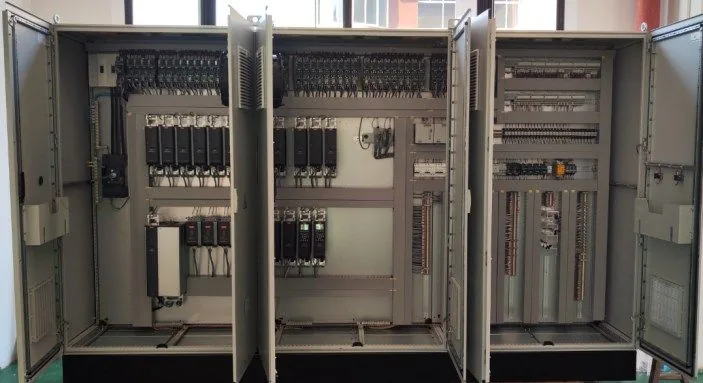
Finding a problem before shipment is better than finding it at site.
But finding it only when the equipment is packed, the vessel is booked and installation is approaching can still create a difficult choice: accept the issue, delay shipment or attempt a rushed correction.
This is why quality control needs to start before the final inspection.
Decide what matters early
A final running test cannot verify every requirement.
Depending on the equipment, important checks may involve materials, dimensions, welding, coatings, purchased components, electrical work, assembly or documentation. Some features become difficult to inspect once fabrication or assembly has progressed.
The useful questions are:
- What needs to be verified?
- At which stage can it be checked effectively?
- What acceptance criteria apply?
- Who will inspect or witness it?
- What evidence needs to be retained?
The checks should reflect the equipment and project risk—not simply follow the same checklist for every order.
How G-LINK helps
We help align inspection requirements with the manufacturer before the relevant work takes place.
During execution, we coordinate agreed checks, inspection arrangements and supporting records. Where a factory acceptance test or third-party inspection is required, we help prepare the scope and follow up on readiness.
If an issue is identified, we track the corrective action and the evidence needed to close it.
We also keep the meaning of a test clear. A successful workshop run can confirm certain functions, but it does not automatically demonstrate treatment performance under the customer’s actual operating conditions.
What this means for your team
The objective is to reduce last-minute surprises and give your team a clearer basis for accepting the equipment.
Let’s discuss your project
Planning an equipment inspection? We can help work through what should be checked, when and against which requirements.
Contact G-LINK ↗